How to Choose Timber and Finishes for Bespoke Furniture
By Wilkins Wood Workers
A dining table and a bedroom cupboard may both be made to measure, but they do not face the same demands. The table takes repeated contact with hands, dishes and spills. A cupboard is judged more by how it fits the room, how its doors work and how its surface sits alongside other finishes. Start with the job the furniture must do, then choose timber and finish to suit it.
If you are planning a piece in Gloucestershire, here at Wilkins Wood Workers we can help you work through those decisions as part of a bespoke furniture project. The aim is not to choose a timber because it sounds traditional, or a finish because it looks good in a sample. It is to choose materials and surface treatment that make sense together, in your room and in everyday use.
Begin with how the piece will be used
Write down what the furniture will need to withstand. For a dining table, consider frequent wiping, food and drink, and whether the surface will be used for everyday tasks as well as meals. For a side table, think about objects being placed on it and whether it is likely to be moved. For fitted furniture, opening and closing the doors, access to shelves and how the piece meets walls may matter more than resistance to spills.
This changes the balance between appearance and practicality. A highly figured timber can make a table a strong visual feature, while a quieter grain may sit more easily in a room that already has prominent floorboards, beams or other woodwork. Neither is automatically better. The useful question is whether the furniture should stand out or belong quietly within its surroundings.
Look beyond the timber name
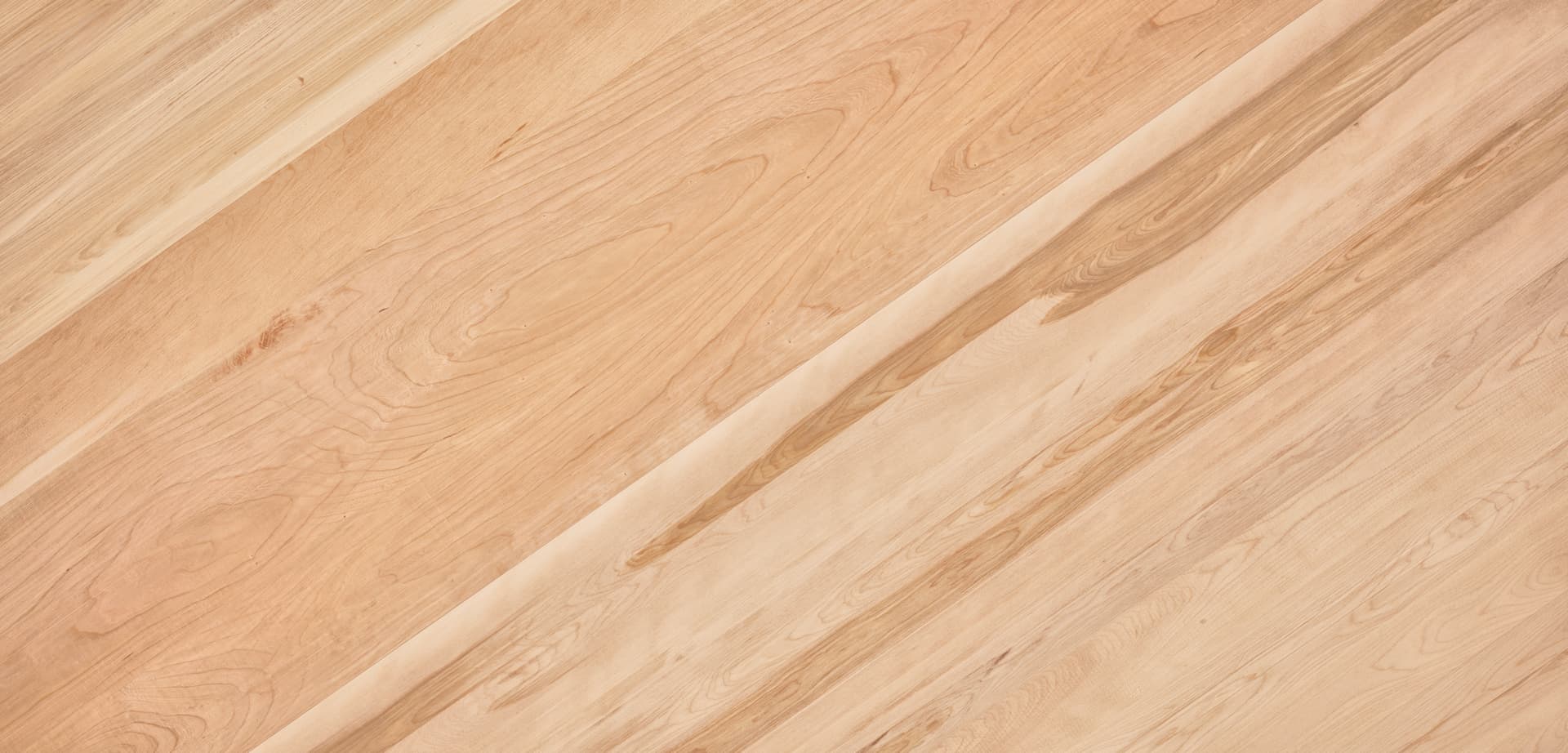
Timber names give you a starting point, not the whole answer. Boards of the same species can vary in colour, grain, knots and character. A small sample may not show the variation across a larger top or a run of cupboard doors, so ask to consider how the chosen material will look across the full piece.
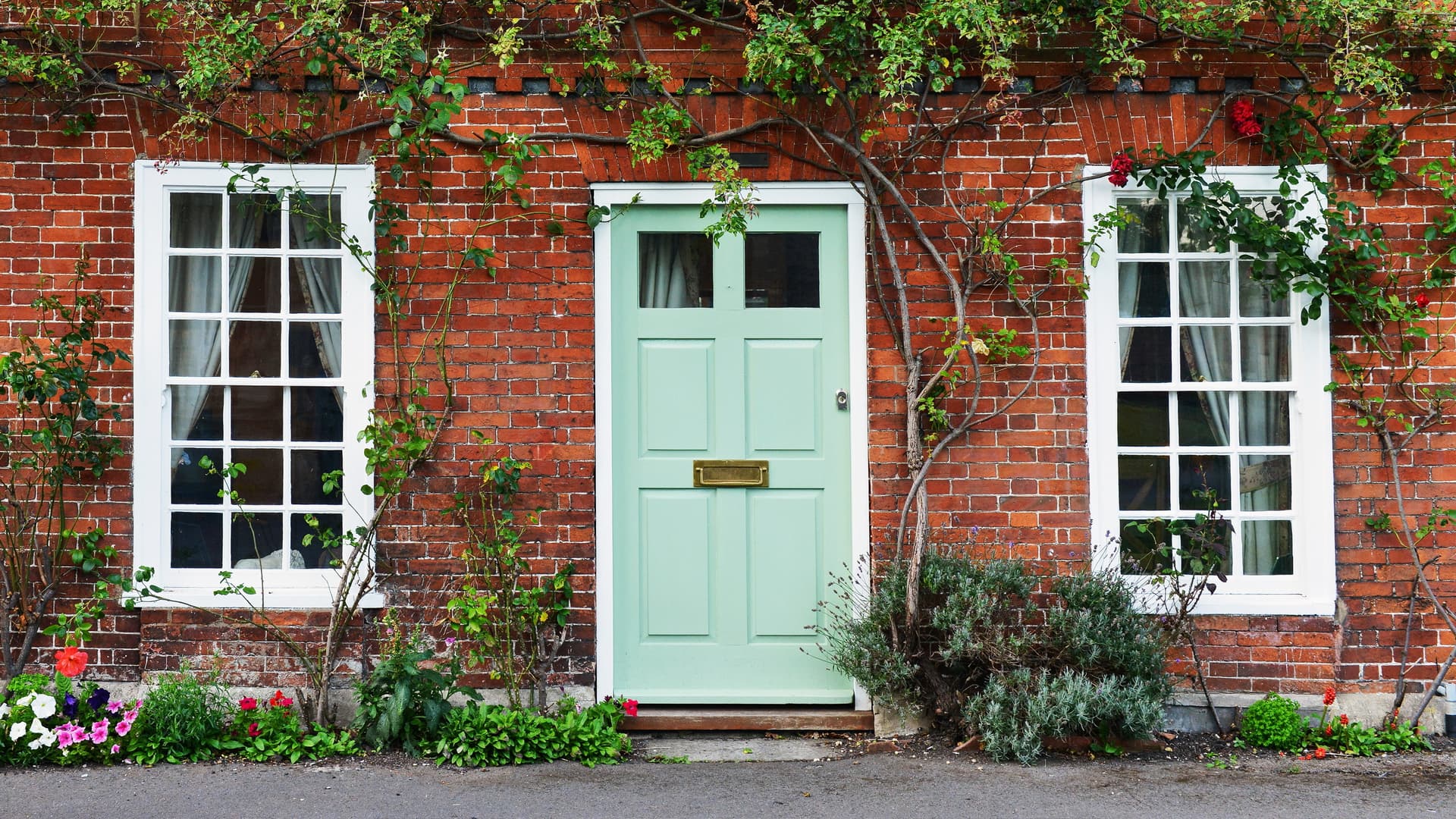
Also consider the room. Existing doors, floors and beams do not need to match the new furniture exactly. In fact, trying to force a close match can make small differences more noticeable. Instead, compare the underlying colours and the overall level of contrast. A new piece can work alongside older woodwork by sharing a similar warmth or by making a deliberate, restrained contrast.
Timber also responds to changes in moisture in its surroundings. Solid boards can move as their amount of moisture in the timber changes, which is part of working with a natural material rather than a sign that every board is perfectly static. This matters when planning broad surfaces, joined panels and close-fitting components. Ask how the design allows for that movement, especially if the piece needs to fit a specific opening or meet another surface neatly.
Choose the finish for touch and upkeep
A finish affects how the timber looks, feels and is maintained. An oil finish can keep the grain visually prominent and gives a surface a different feel from a coating that sits on the surface. The right choice depends on the look you want, how heavily the surface will be used and what care you are prepared to give it.
Before deciding, ask practical questions: how should marks or spills be dealt with, what routine care will the surface need, and how can it be refreshed if it becomes worn? A sample is useful, but assess it in the room if possible. Lighting can change how colour and sheen appear, and a finish viewed on a small small sample piece of timber may read differently across a large surface.
The timber and finish should be considered together. A surface treatment can deepen colour or emphasise grain, so choosing the timber first and leaving the finish as an afterthought can lead to a result that feels different from what you expected. Agree on both before the piece is made.
Make the decision in this order
First, settle the furniture’s purpose and the level of wear it will face. Next, decide whether it should blend with the room or become a feature. Then compare timber appearance and discuss how natural variation and movement affect the design. Finally, choose a finish with its maintenance needs in mind.
Bring photographs of the room and nearby woodwork to the discussion, and be clear about how you use the piece. Those details are more useful than choosing a material from a name alone. Our Bespoke Furniture service covers made-to-measure timber pieces, and we can discuss the options that suit your requirements in Gloucestershire. For advice on a specific piece, contact Wilkins Wood Workers and tell us what you want it to do, where it will sit and what kind of upkeep feels manageable.