Can You Match Existing Period Profiles or Repair Old Windows and Doors?
By Wilkins Wood Workers
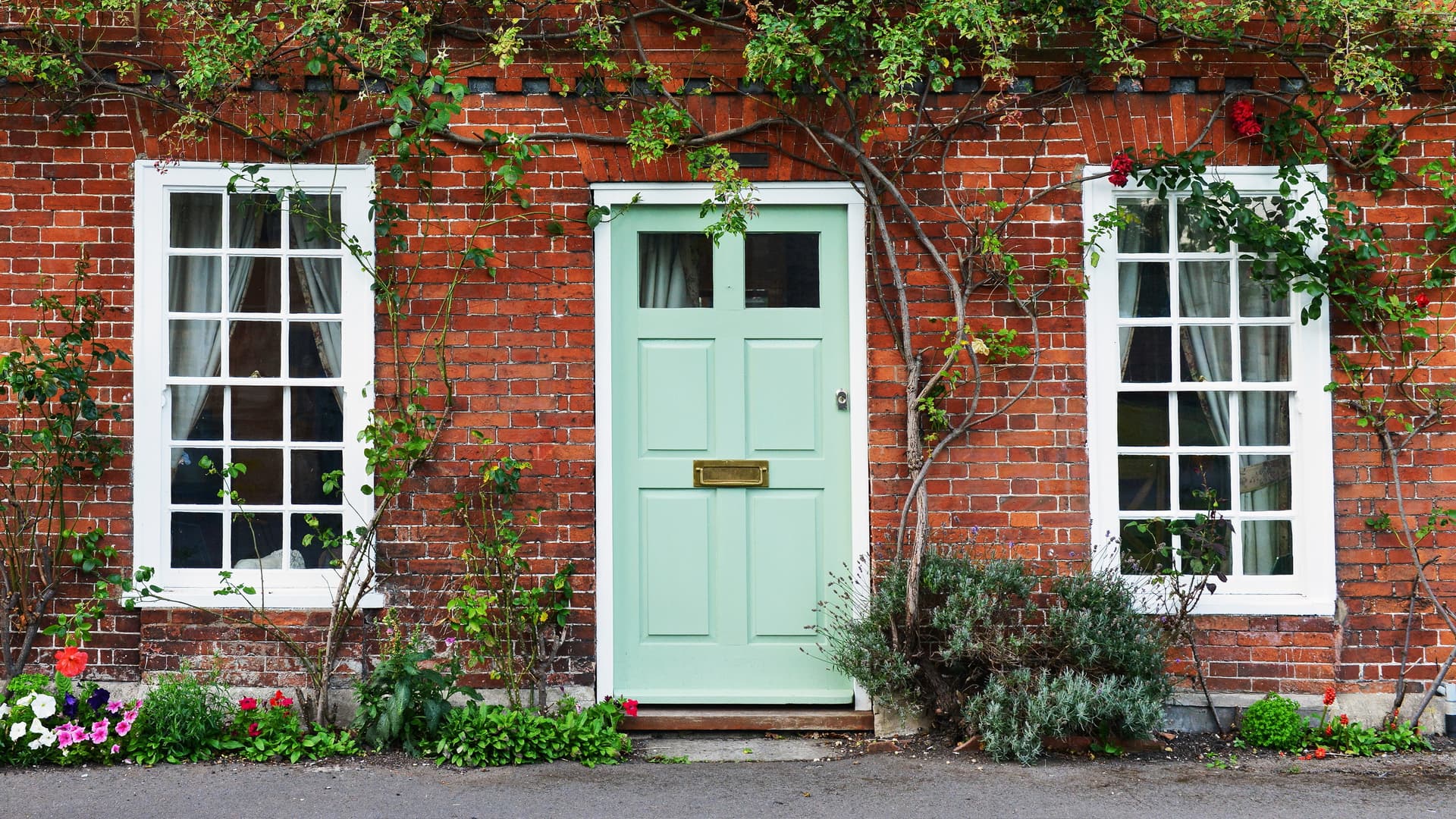
Why the existing building matters more than the catalogue
A period window or door rarely has one standard profile that can be ordered and fitted without thought. Its decorative shapes, stepped edges, joints and proportions were shaped by the building tradition, the available tools and the joiner who originally made it. Two properties that appear similar from the road can contain quite different joinery.
That is why the right starting point is not choosing a replacement from a brochure. It is understanding what is already there, what has failed, and which details need to remain visible. Our joinery work begins with that relationship between the new work and the building around it.
How the property changes the decision
Older cottages and irregular openings
A Cotswold cottage may have walls that are not perfectly straight, openings that vary slightly from one side to the other, and timberwork that has been altered over many years. A new frame made to a standard stated size can be technically neat but still look wrong or leave awkward gaps when placed against an uneven opening.
With this type of property, the survey needs to record the opening itself rather than relying on assumptions about what should be there. The position of the frame, the depth of the surrounding wall and the way the existing trim meets plaster or stone all affect the replacement. A sympathetic repair may preserve more of the original fabric than removing the complete unit.
Victorian terraces and repeated details
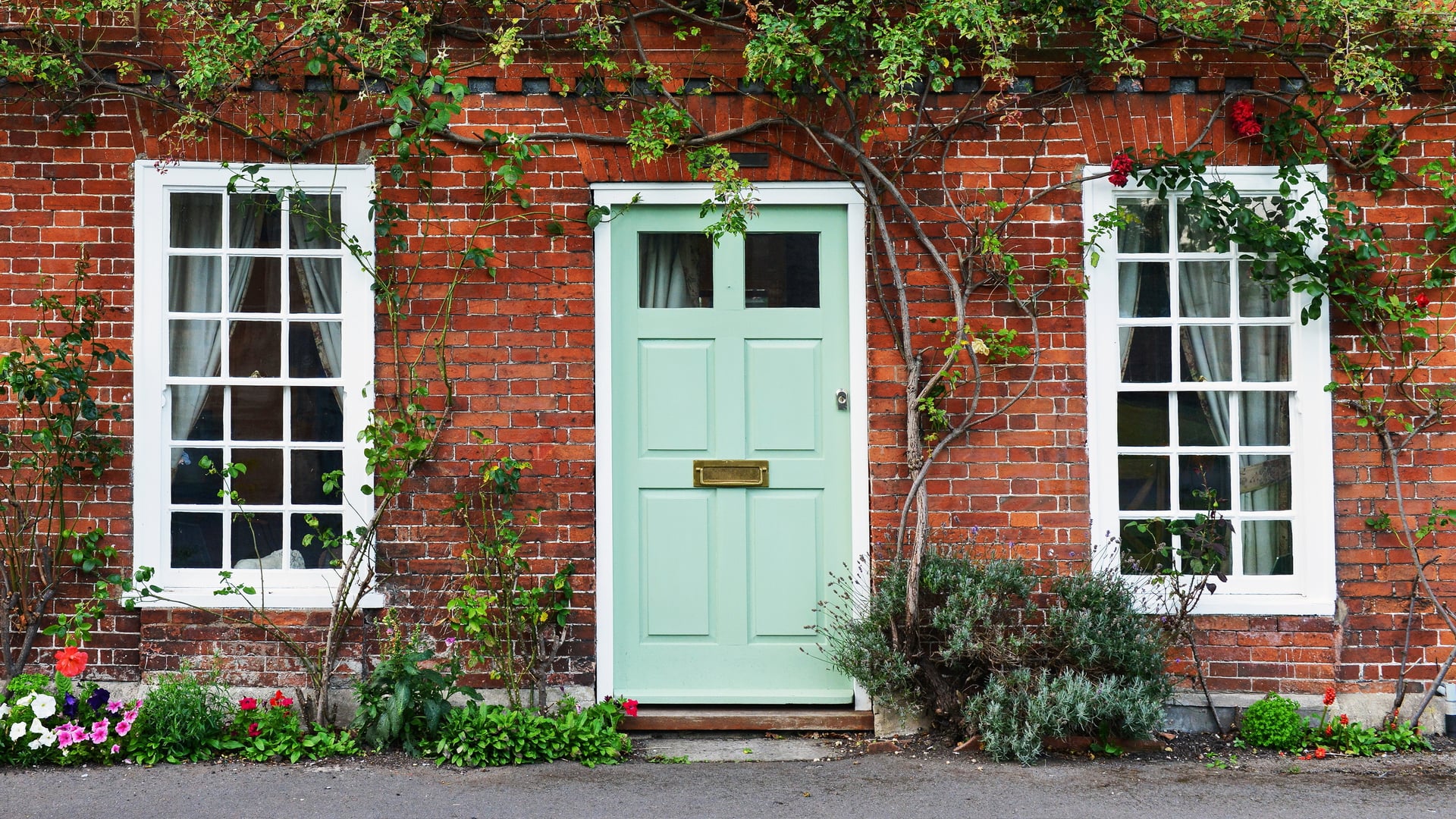
Victorian joinery often has stronger visual repetition. The same sliding-window proportions, trim shape, window-bar arrangement or panel layout may appear throughout a frontage. If one element is replaced, its relationship with the neighbouring windows and doors becomes part of the design decision.
A repair may therefore be preferable where the main frame remains sound and only a sill, rail, moulding or section of glazing surround has deteriorated. Where replacement is necessary, the new section needs to follow the existing profile, not merely use a modern equivalent that is close in appearance.
The profile is only one part of the match. Timber grain direction, section thickness and the position of joints can all influence how the finished work sits alongside the original. Small differences become obvious when repeated across a terrace elevation.
Listed or character properties
A property with strong architectural character places more emphasis on restraint. The aim is not to make every part look newly manufactured. It is to retain the features that give the building its identity while making the repair or replacement sound and usable.
That can mean preserving an original moulding even when it has minor marks, matching a visible joint instead of concealing it, or replacing only the failed portion of a component. The appropriate solution depends on the condition of the timber and the importance of the detail. Where permissions or conservation requirements apply, those need to be considered before work starts rather than after a replacement has been made.
Newer homes with traditional styling
A newer property can still include period-inspired doors, windows or internal joinery. In that case, the existing piece may have been produced using modern construction methods while borrowing traditional proportions. Copying an older historical detail without checking the rest of the house can make the result feel out of place.
For these homes, we look at the existing sightlines, panel sizes, skirting and architrave, then develop the replacement around the design language already in use. A good match is not always the oldest-looking option. It is the option that belongs in that particular property.
What we compare during a survey
We need more than a single width and height. Useful points of comparison include:
- The overall opening and whether it is square, level or vertically straight
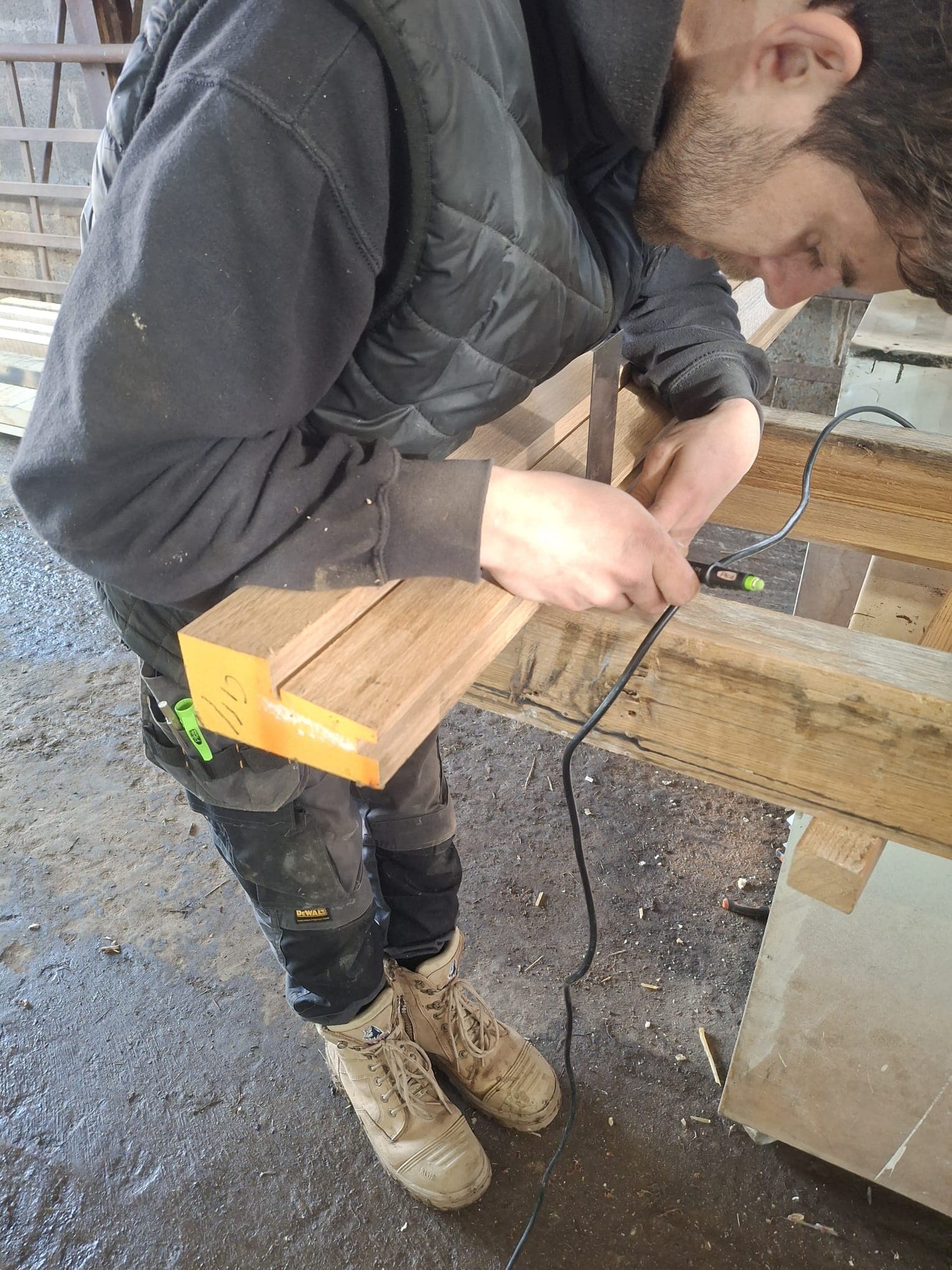
- The section of the existing frame, including rebates and moulded edges
- The arrangement of horizontal and vertical frame sections, glazing bars and panels
- Joint positions and the direction of the timber grain
- The condition of the exposed ends of the timber, sills, thresholds and water-exposed areas
- How the joinery meets brickwork or stone, plaster, flooring and surrounding trim
- Evidence of earlier repairs, alterations or unsuitable replacement sections
These details help separate a repairable problem from a failure that will continue to spread. Rot in one replaceable section does not automatically mean the entire frame has reached the end of its useful life. Equally, painting over soft or damp timber will not restore its strength.
Repair, partial replacement or new joinery?
The choice should follow the condition of the timber and the importance of the original detail. Repair can make sense where the sound structure and most of the profile remain intact. Partial replacement is useful when a damaged sill, rail or moulding can be removed cleanly and renewed without disturbing the rest. New joinery becomes more appropriate when distortion, widespread decay or previous alterations have compromised the frame as a whole.
The practical trade-off is between preserving original material and creating a reliable piece that will continue to perform. Keeping an unsound section simply because it is old can lead to repeated disruption. Removing sound historic detail unnecessarily can weaken the character of the building. The decision needs to account for both.
Matching finish as well as shape
A profile can be accurate and still look mismatched if the finish is wrong. New timber may have a different colour and texture from aged joinery, while an oil, wax, primer or paint system changes how the mouldings catch the light. The surrounding finish also affects whether the repair blends in immediately or is intended to settle visually over time.
We discuss timber and finishing choices alongside the joinery itself. Our qualifications include Level 3 Joinery NVQ and Level 2 Carpentry and Building, supporting a practical understanding of how the detail is made and how it needs to work once installed.
If you have an older window, door or other timber feature in Gloucestershire, Stroud, Stonehouse or Cheltenham, the useful question is not simply whether it can be copied. It is which parts should be retained, which need replacing, and how the new work should belong to the building. Contact Wilkins Wood Workers on 07840 225151 or wilkinswoodworkers@googlemail.com to discuss the property and arrange a considered assessment.