Signs You Need Carpentry — And What To Do Next
By Wilkins Wood Workers
Signs you need carpentry — a practical guide for Gloucestershire homeowners
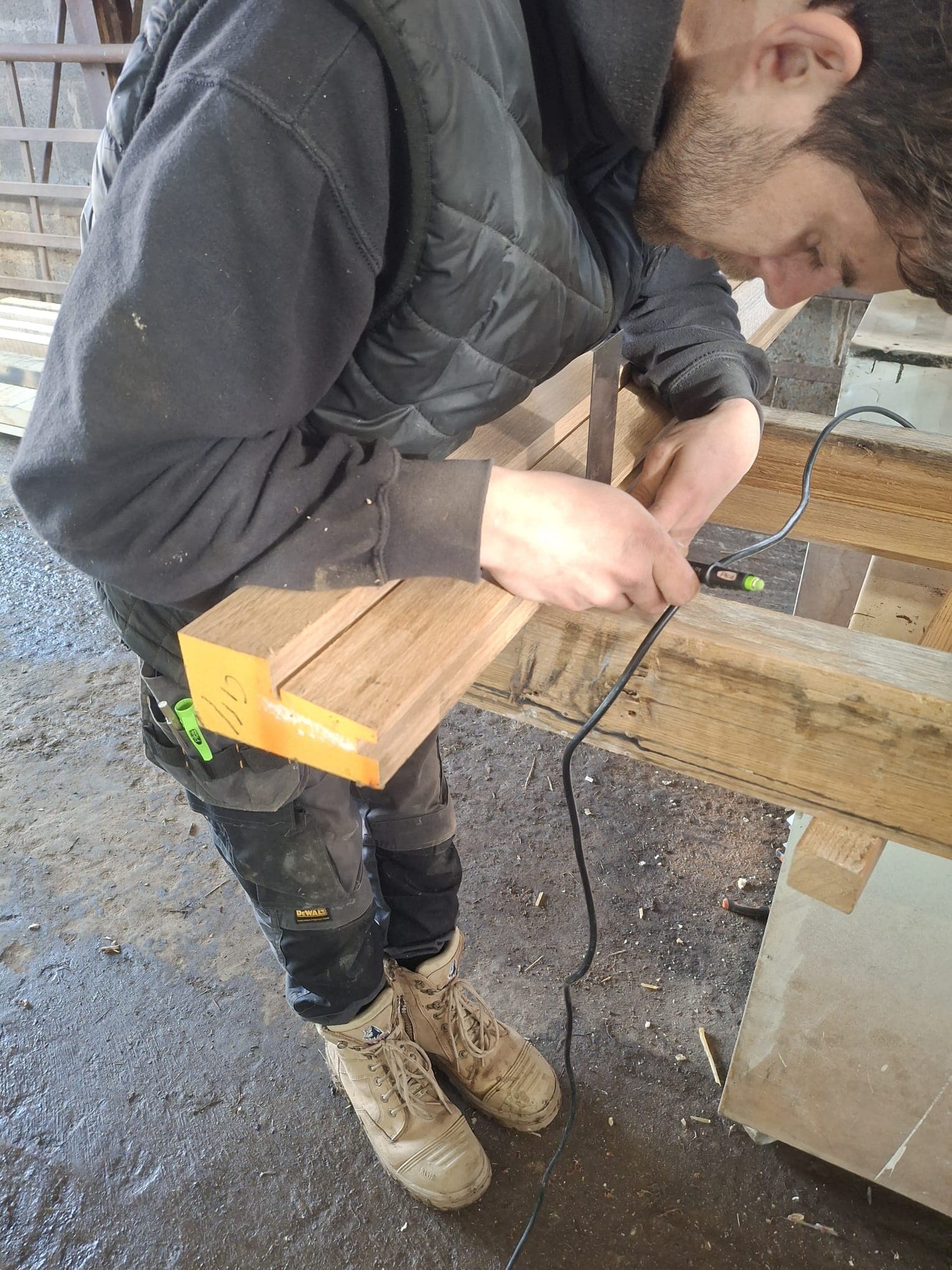
If your front door sticks after a damp winter, a sash window rattles in a Cotswold cottage, or your dining table has a wobbly leg, these aren’t just annoyances — they’re signs you need carpentry. Family Farm Joinery is a small, family-run workshop on a farm in Gloucestershire. With 10 years' practical experience, NVQ Level 3 joinery and Level 2 carpentry + building qualifications, we help local owners spot problems early and take the right next steps.
Common warning signs (look for these)
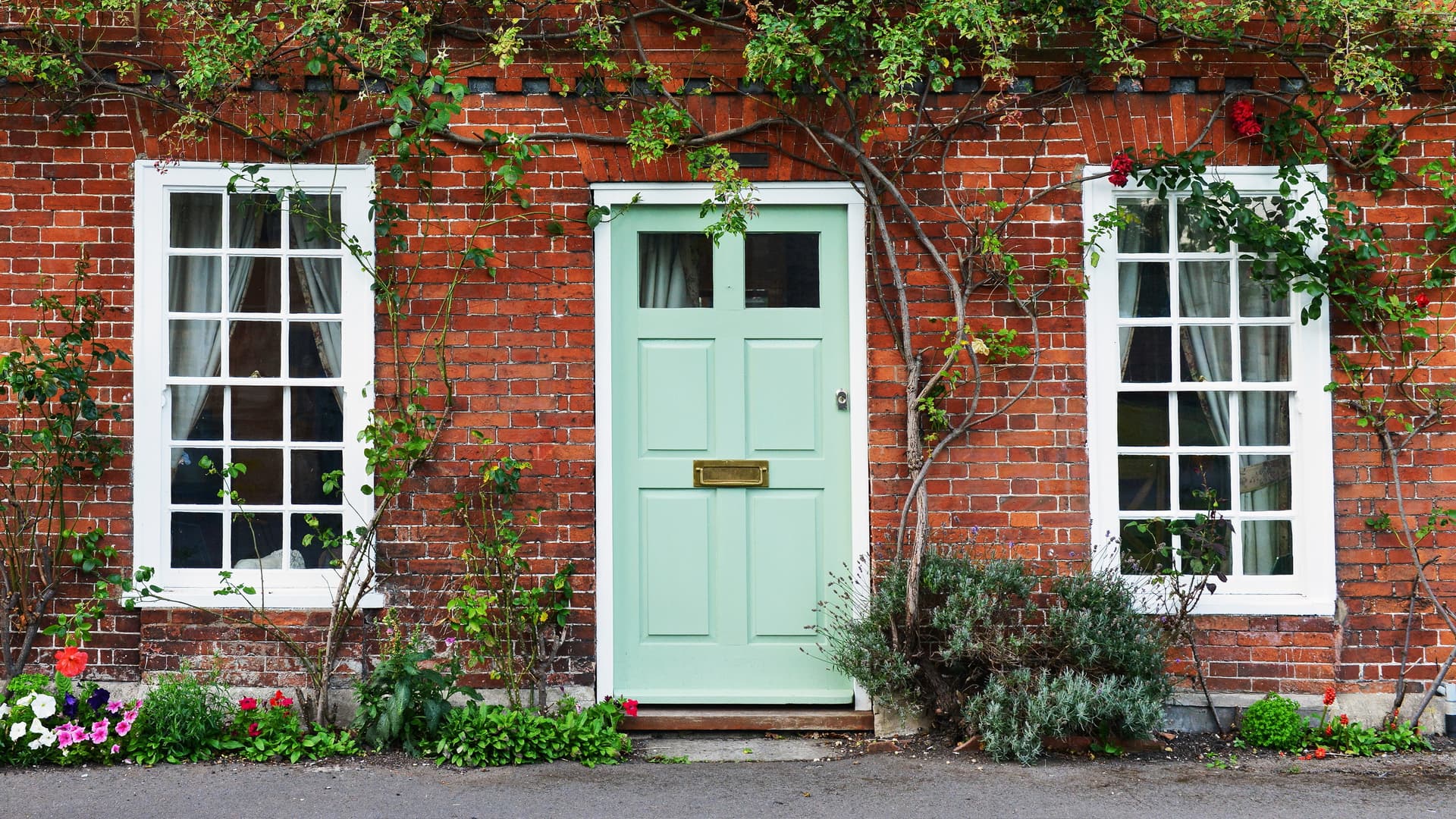
- Sticking or swollen doors: doors that are hard to open, catch on the jamb or need force to close often mean timber movement from moisture or settling. Check top and bottom edges and rebated joints.
- Gaps & draughts around windows/doors: widening gaps, ill-fitting sash cords or missing draught seals let cold in and indicate failing glazing beads, rotten sills or worn seals.
- Rot and soft timber: pinch or probe suspect timber with a screwdriver. If the blade sinks in easily or fibres crumble, you have decay — common on external sills, porches and exposed stair stringers.
- Loose or sagging stair treads and handrails: any movement on a staircase is a safety issue. Look for split tenons, weakened newel posts or loose fixings.
- Warped boards & uneven floors: cupping, crowning or large gaps between boards can be humidity-related or caused by poor fixings beneath.
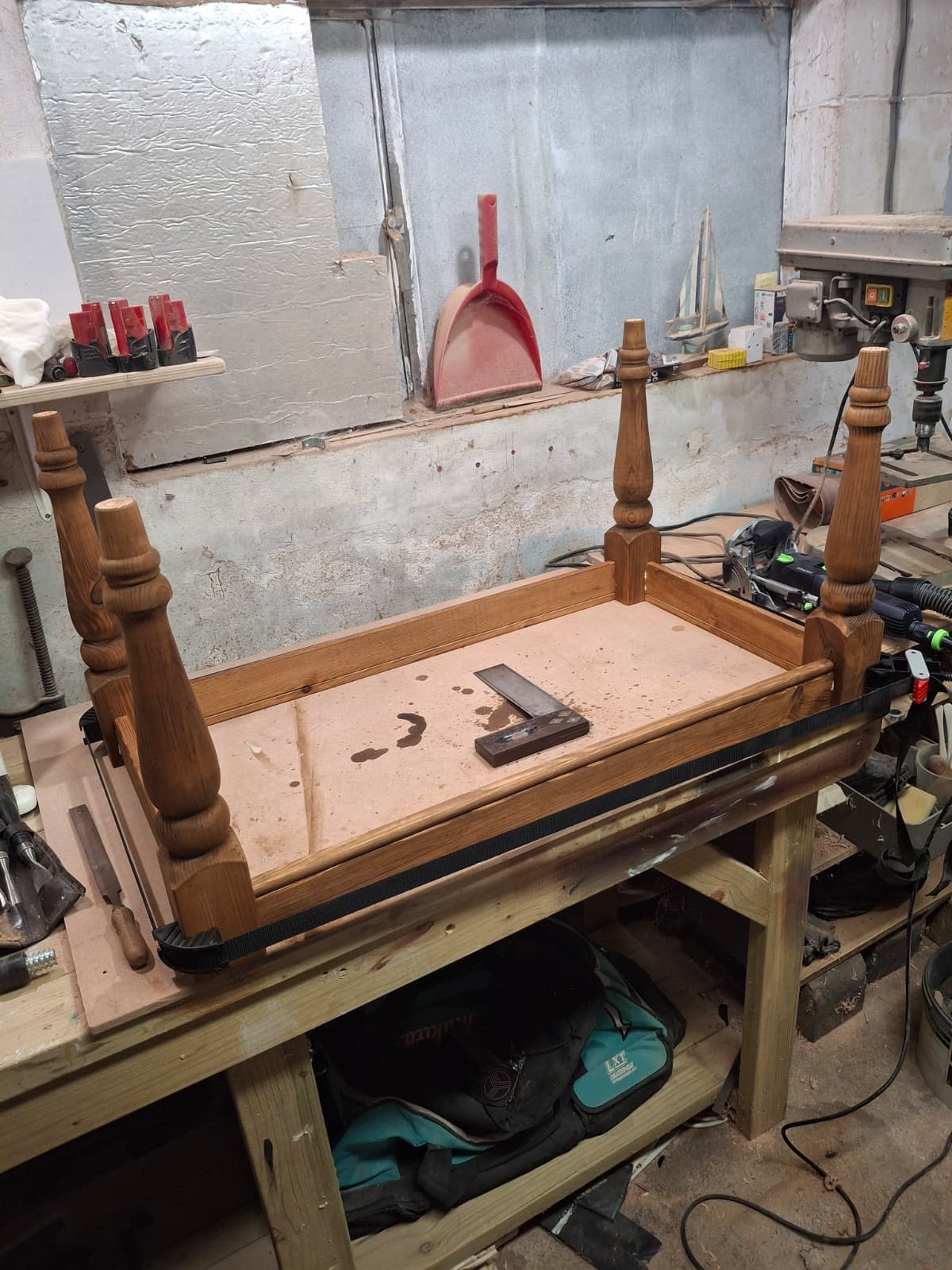
- Creaking or loose joints in furniture: mortise-and-tenon or dovetail joints that move mean the piece needs repair or re-glueing.
- Failing finishes: oil finishes that have gone patchy, varnish that’s flaking or exposed raw timber need attention to prevent faster deterioration.
Quick checks you can do right now
- Visual inspection: look at door bottoms, window sills, stair stringers, skirting boards and external joinery. Note raised paint, cracked finish or blackened patches.
- Probe gently: use a screwdriver to test suspect timber. Soft wood, powdery dust or brown staining are classic rot signs.
- Measure movement: a tape measure used on doors and frames will show if gaps exceed expected clearances — handy before deciding on planing or repair.
- Check hardware: tighten loose screws on hinges, catches or handles. Replace stripped screws with slightly longer or wider ones to get a better hold.
- Control moisture: if leaks or damp are present, tackle the source first. Carpentry repairs fail quickly if timber remains wet.
Temporary fixes to reduce damage
- Brace a loose handrail or stair tread with a temporary screw and packing until a proper repair can be scheduled.
- Use a dehumidifier or improve ventilation in summer to reduce seasonal swelling and cupping of floorboards.
- Apply a light oil or maintenance coat to external oak doors and porches if the finish is tired but the timber is sound — this buys time until a refurbishment.
- Fit draught excluders and replace worn weatherstrips to stop cold air while you plan a larger repair.
When to DIY and when to call a joiner
Do-it-yourself jobs:
- Replacing a stripped hinge screw, tightening fittings, fitting new weatherstripping, sanding and re-oiling a small area are sensible DIY tasks if you’re confident.
Call a professional when:
- The problem affects structural safety (staircases, load-bearing timber, rotten joists).
- Extensive rot is present or there’s repeated decay after previous repairs.
- You need a made-to-measure replacement — a rebated oak door, bespoke window cill or a tenon-and-mortise repair on period joinery.
- You want a long-lasting finish: professional oiling and finishing prevents frequent rework and keeps timber performing in Gloucestershire’s variable climate.
What a proper joinery survey and repair looks like
A good joiner will:
- Carry out a site inspection to identify the root cause (moisture source, insect damage, settlement).
- Produce a clear plan: repair in situ, splice in new timber, or make and install bespoke replacement pieces.
- Specify timber species and fixings — oak for external doors and sills, softwood for internal trims, stainless or galvanised fixings where needed.
- Discuss finishes: linseed oil, hard-wearing oils for floors, or specialist paints and primers for exposed work.
- Offer aftercare: on-site finishing, scheduled oiling and small repair visits so your timber stays performing.
Family Farm Joinery is fully insured (public liability up to £5 million) and works across Gloucestershire, including Stroud, Stonehouse and Cheltenham. Our workshop on a family farm lets us craft bespoke pieces — dining tables, bespoke doors, or oak window sills — then finish and fit them with care.
Quick checklist before you book a site visit
- Take photos of the problem from several angles.
- Note which rooms are affected and whether the issue is seasonal.
- Measure door clearances and state the timber type if known.
- List any known leaks, condensation or previous repairs.
If you spot any of the signs above and want a sensible, practical solution, book a survey and quote. At Family Farm Joinery we focus on handcrafted, made-to-measure repairs and lasting aftercare — built for Gloucestershire homes and rural buildings. Visit our workshop on the family farm in Gloucestershire or request a site visit to get a clear plan and reliable workmanship tailored to your property.