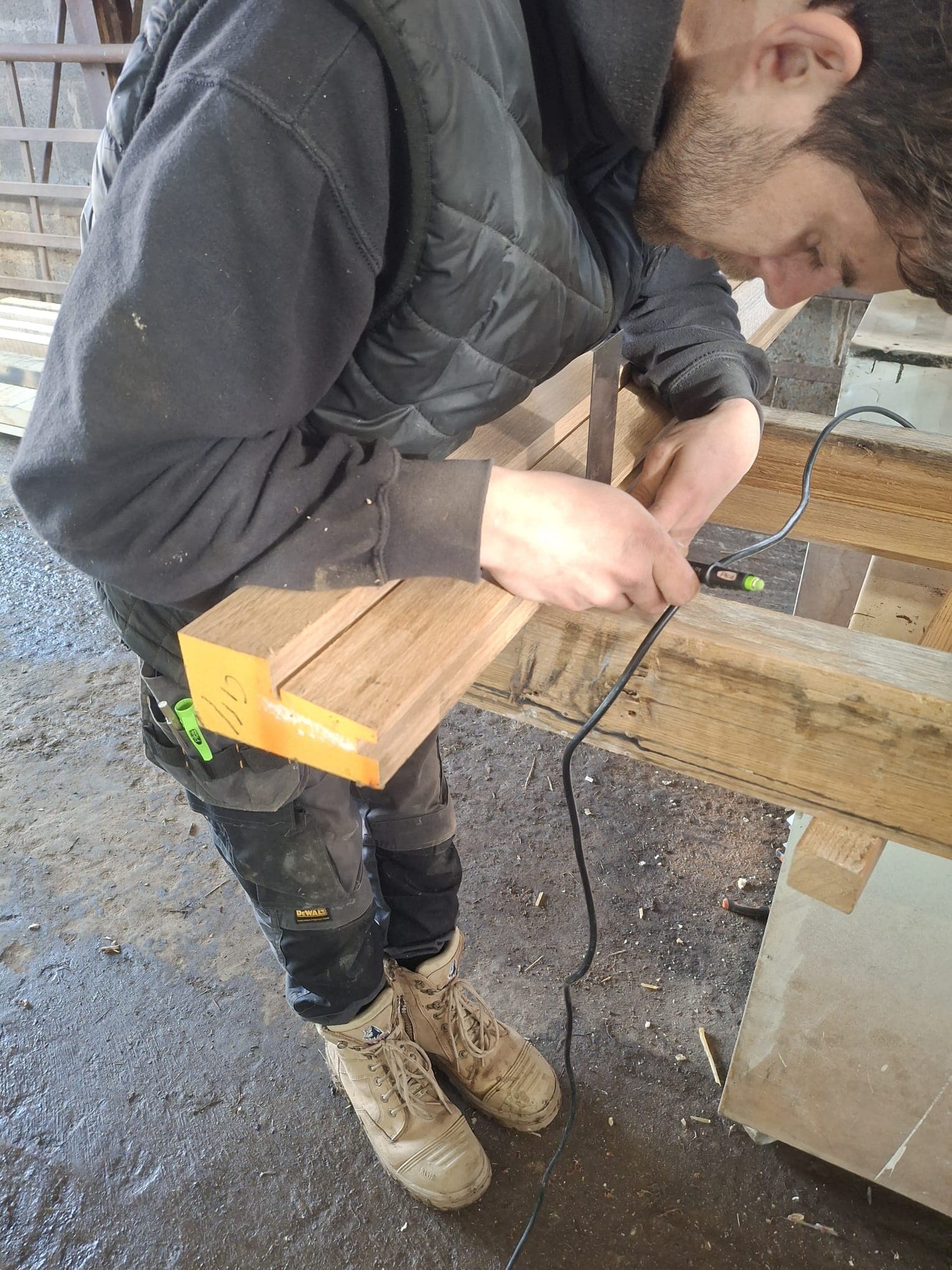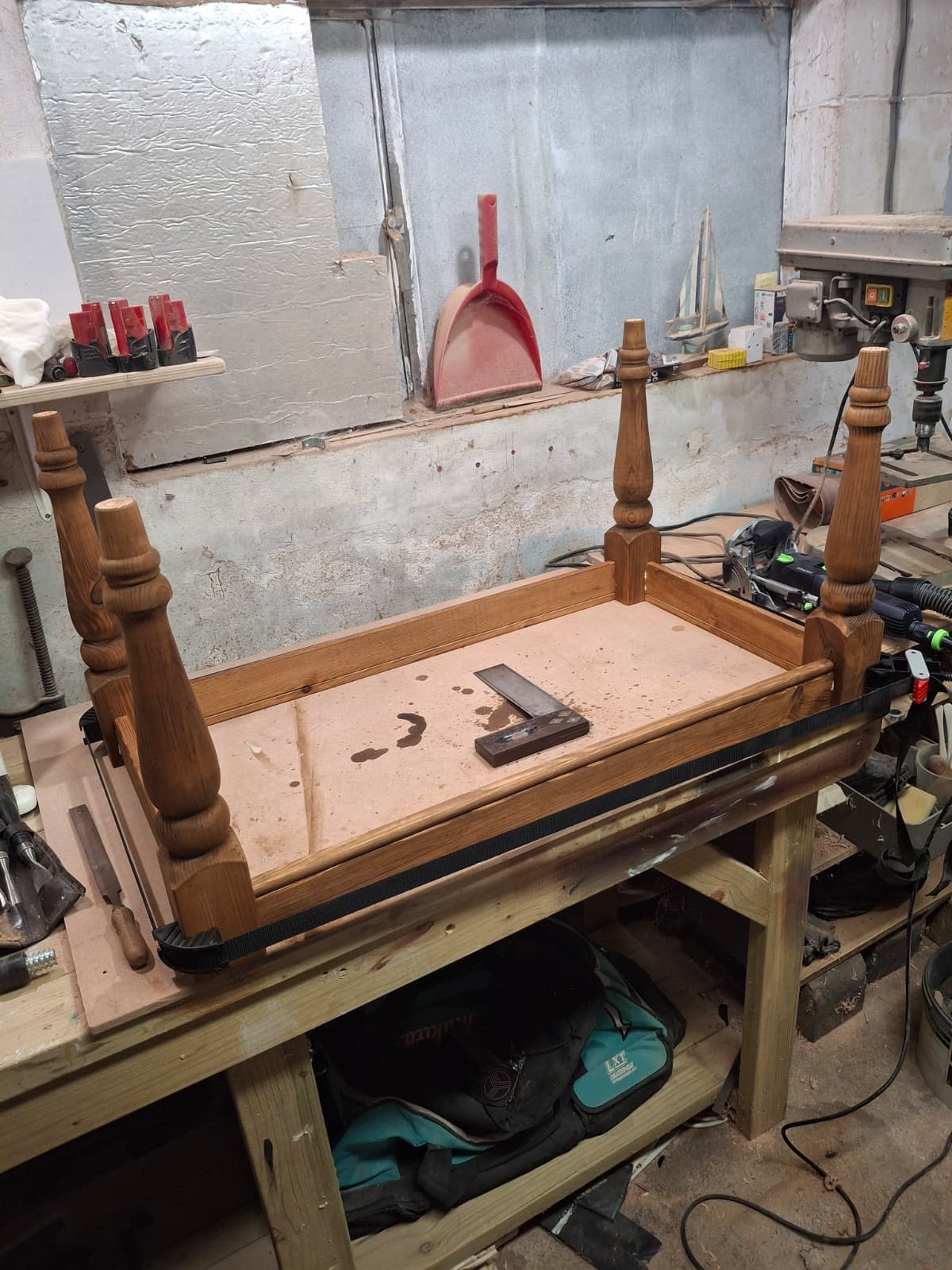
Joinery installation: a complete guide for Gloucestershire homeowners
By Wilkins Wood Workers
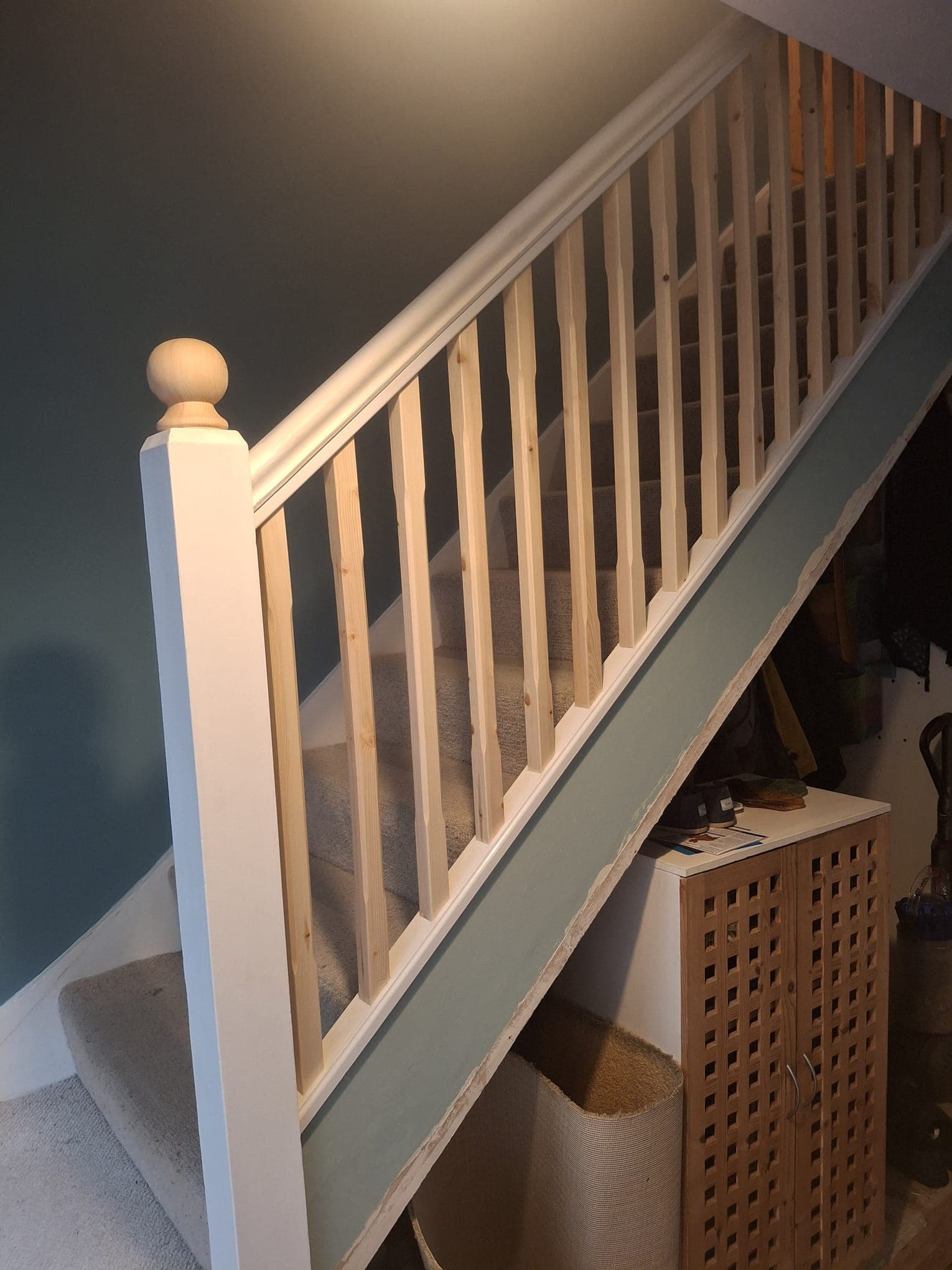
Joinery installation: a complete guide for Gloucestershire homeowners
If you own a Cotswold cottage, a Victorian terrace in Stroud or a modern build near Stonehouse, bespoke joinery makes a house feel like home. This guide walks you through joinery installation — from planning and measuring to fitting, finishing and aftercare — with practical tips from Family Farm Joinery’s workshop on the farm in Gloucestershire.
Why good joinery matters
Poorly fitted doors, warped window frames and rushed installations create draughts, sticking sashes, rattles and premature wear. Proper joinery keeps timber looking and performing well for decades, reduces maintenance and protects your property from damp and heat loss.
Family Farm Joinery is a family-run workshop with qualified carpenters (Lvl 3 joinery NVQ; Lv 2 carpentry + building), around 10 years' trade experience and public liability insurance up to £5 million. We specialise in bespoke, made-to-measure timber and offer on-site finishing and aftercare.
Planning and survey: what to check before you order
- Check the building: old stone cottages and listed buildings in Gloucestershire often need conservation officer approval for external changes. Always verify planning or listed building consent where relevant.
- Identify scope: replacement window/door, new internal door, bespoke furniture, or structural opening. Structural changes or external replacements may require building regulations — ask your local council or your installer.
- Measure properly: take multiple measurements (top, middle, bottom; left, centre, right) and note reveals and skews. Measure existing frames and the opening, not just the old unit.
- Factor in movement: timber moves with humidity. Allow a sensible reveal or expansion gap, and specify kiln-dried or stabilised timber for internal joinery.
- Choose appropriate species and finish: oak for doorways and heavy-use areas; softwoods for painted mouldings; engineered or laminated sections where stability is important.
Measuring checklist for joinery installation
- Width and height at three points (top, mid, bottom)
- Depth of reveal / wall thickness
- Level and plumb checks (spirit level)
- Existing thresholds, step heights and floor coverings
- Location of hinges, locks, fixings and services (electrics, vents)
Material and build considerations
- Joinery type: solid timber, engineered, or a mix (solid door leaf on an engineered frame). For heritage properties we match profiles and mouldings to original work.
- Moisture content: choose timber that’s been properly dried and conditioned for internal or external use to reduce warping and shrinkage.
- Hardware: buy quality hinges, mortice locks, ironmongery and draught seals to suit the timber and expected wear.
- Weatherproofing: for external joinery use appropriate seals, thresholds and drip details to protect against Gloucestershire weather and driving rain.
On-site installation: what to expect
A professional installation follows these steps:
- Prepare the opening — remove old unit carefully, check structural integrity and reveal condition.
- Square and pack the new frame using stainless fixings and adjustable packers to ensure the frame is plumb and level.
- Fit hardware and check operation — hinges, locks, latches and thresholds adjusted so doors and windows open freely without binding.
- Seal and flash where required — use appropriate sealants and flashing for external units, ensuring weep holes and ventilation are correct.
- Final fix and trim — install architraves, sills and internal finishes to match the property.
If you like, Family Farm Joinery can carry out site finishing such as oiling or initial varnish on installation day so the piece leaves the workshop ready to use.
Finishing and aftercare — keep timber working for years
- Oiling and re-finishing: oiled oak and hardwoods benefit from initial finishing and periodic re-oiling. We offer on-site oiling and maintenance visits from our farm workshop.
- Routine checks: inspect seals, hinges and lock functionality annually. Look for signs of moisture, swelling or loose fixings after heavy weather.
- Cleaning: use pH-neutral cleaners or specific timber soaps; avoid aggressive detergents and steam cleaning on solid joinery.
- Minor repairs: small gaps, scratched surfaces or stuck sashes can usually be resolved without full replacement — ask for an on-site assessment.
Common joinery issues in Gloucestershire homes — and fixes
- Sticking doors after a damp winter: consider planing, re-hanging with packers or adjusting thresholds.
- Draughty timber sash windows: draught seals and attention to sash balance often restore performance without replacing the unit.
- Weathered external joinery: re-finish and replace failing seals rather than wholesale replacement where possible — more sustainable and cheaper in the long run.
Ready to move from plan to fit?
Good joinery installation starts with accurate measurements, the right timber and attention to detail during fitting. If you live in Gloucestershire, Stroud, Stonehouse or Cheltenham and want bespoke joinery or help with an installation, visit our workshop on the family farm or request a site survey. Family Farm Joinery combines NVQ-qualified craftsmanship, a decade of experience and ongoing aftercare to keep your timber working well for years.
Request a quotation or a site visit and we’ll talk through materials, timescales and the best finish for your home.