Can Reclaimed or Engineered Timber Work in Your Gloucestershire Home?
By Wilkins Wood Workers
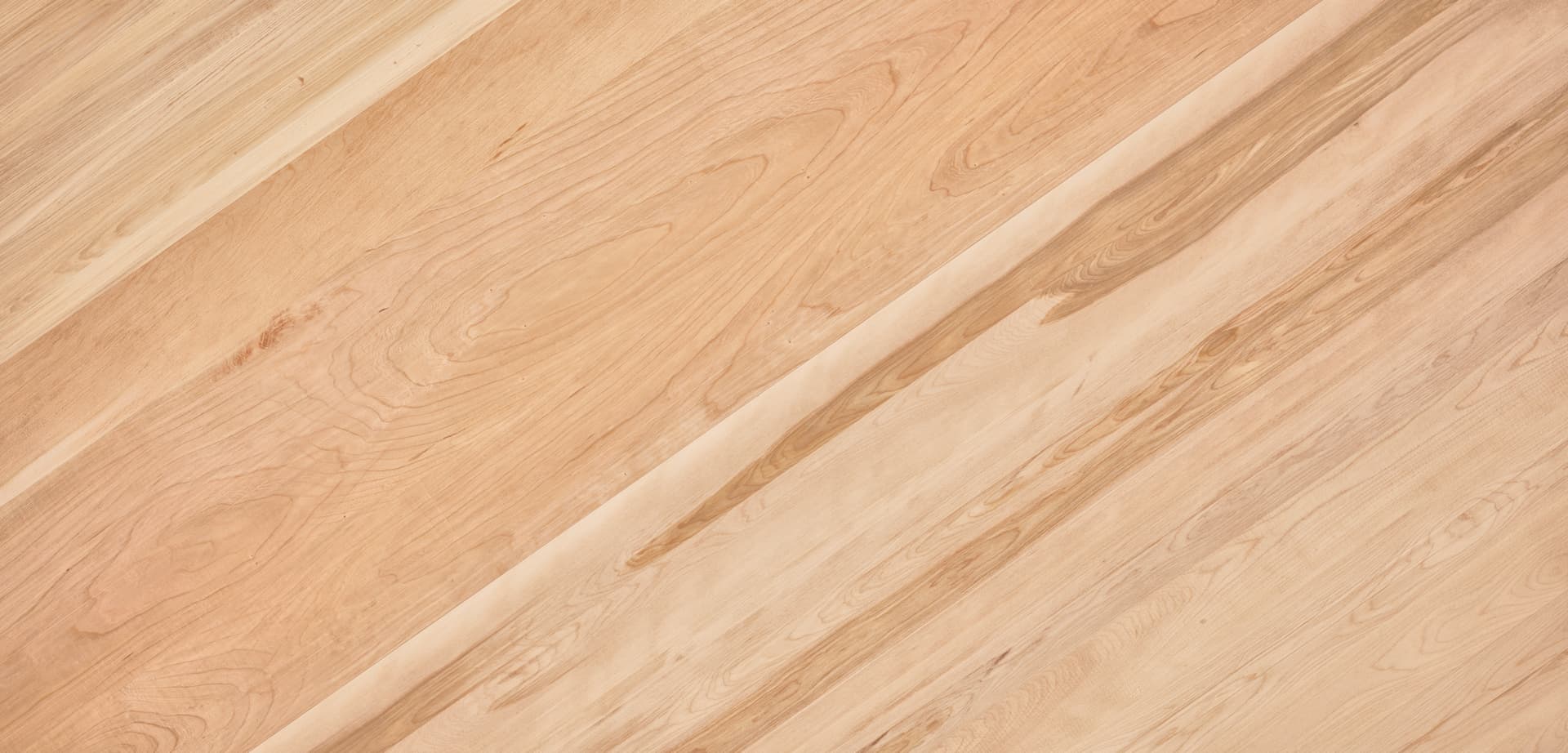
The right timber depends on the job, not just the appearance
Reclaimed timber and engineered timber can both produce excellent results, but they solve different problems. The most suitable choice depends on where the timber will be used, how much movement the surrounding building allows, the size required and whether the finished work needs to match existing joinery.
That matters particularly in Gloucestershire, where a project may involve a period cottage in Stroud, a stone property near Cheltenham, a farm building or a more recently constructed house. Each building presents different levels of movement and variation, as well as different surfaces and expectations. Before choosing a material, we look at how the timber needs to perform rather than selecting it on appearance alone.
For an overview of our carpentry service, you can see the wider range of work we undertake across Gloucestershire, Stonehouse, Stroud and Cheltenham.
When reclaimed timber is the better fit
Reclaimed timber is often considered when the visual character is central to the job. Its surface may show old saw marks, worn edges, changes in colour and the irregularities that come from previous use. Those features can help new work sit naturally within an older building instead of looking freshly manufactured beside established beams, floors, doors or stair parts.
The key question is whether the timber is suitable for the role proposed. A board that looks right may not be straight, thick or strong enough for the job. Reclaimed material can also contain old fixings or concealed defects that are not obvious from the finished face. It may need careful inspection, preparation and alteration before it can be accurately jointed or installed.
Dimensions are another practical consideration. Older timber is not always available in the exact sizes needed for a replacement component. That can affect how the pieces are joined, how much preparation is needed and whether the new piece should copy an existing shape or provide a sympathetic interpretation.
For visible items such as doors, stair components, shelves or furniture, character may be a major advantage. For work that must fit very precisely or carry weight, the material needs a more detailed assessment before a decision is made.
When engineered timber makes more sense
Engineered timber is manufactured by bonding or forming timber elements into a more consistent product. That consistency can be useful where straightness, repeatable dimensions or stability are important. It may suit components that need to fit accurately within a modern opening or work alongside other manufactured building materials.
The benefit is not simply that the material looks uniform. Consistent sections can make it easier to plan joints, maintain accurate lines and achieve a clean fit during installation. This can be especially useful where a component has to connect with existing walls, floors or ceilings that have limited room for adjustment.
Engineered timber is not automatically the right answer for every job. Its suitability depends on the specific product, its intended use, the conditions around it and the finish required. A material chosen for a structural purpose should not be treated as interchangeable with a product selected for visible joinery. The specification, fixings and method of installation all need to match the job.
How the property changes the decision
The building itself often provides the strongest clue. In an older cottage, walls and floors may not be perfectly square. Existing joinery may have been altered over time, and a replacement made from completely uniform material can appear out of place. Reclaimed timber may offer the visual depth needed, but it still has to be prepared so it can be fitted securely and accurately.
In a newer property, consistent engineered timber may make more practical sense where the surrounding construction is regular and the design calls for clean, repeatable lines. If the work forms part of fitted furniture, a door installation or internal carpentry, the available space and the way the component will be used can be more important than the age of the building.
External work brings its own considerations. Timber must be appropriate for its exposure, detailing and finish. Water needs to be directed away from vulnerable joints and cut timber ends, while the gaps and fasteners must allow the installation to remain sound. A material can be attractive and still be unsuitable if the design leaves it vulnerable to repeated moisture or movement.
What we assess before recommending a material
We start by identifying the job's function. Is the timber decorative, load-bearing, frequently handled, exposed externally or required to match an existing profile? We then consider the opening or structure it must fit, the condition of adjoining materials and whether the property allows room for adjustment during installation.
We also discuss the finish. Oil, paint or another finish will affect how the grain, repairs and surface variation appear. With reclaimed timber, preparation can change its character. With engineered timber, the visible edges and cut ends may need careful treatment to achieve the intended result.
Our Level 3 joinery and Level 2 carpentry and building qualifications support the practical assessment of timberwork, but the decision still belongs to the individual project. There is no responsible material choice based on a photograph or a general rule alone.
If you are planning carpentry work in Gloucestershire and are unsure whether reclaimed or engineered timber is suitable, contact Wilkins Wood Workers to discuss the property, the intended use and the finish you want to achieve. We can then advise on the practical route and prepare a quotation based on the actual scope of work.